As tensions between the United States and Iran show no signs of easing, American officials are sending a clear message to citizens at home and abroad: stay vigilant.
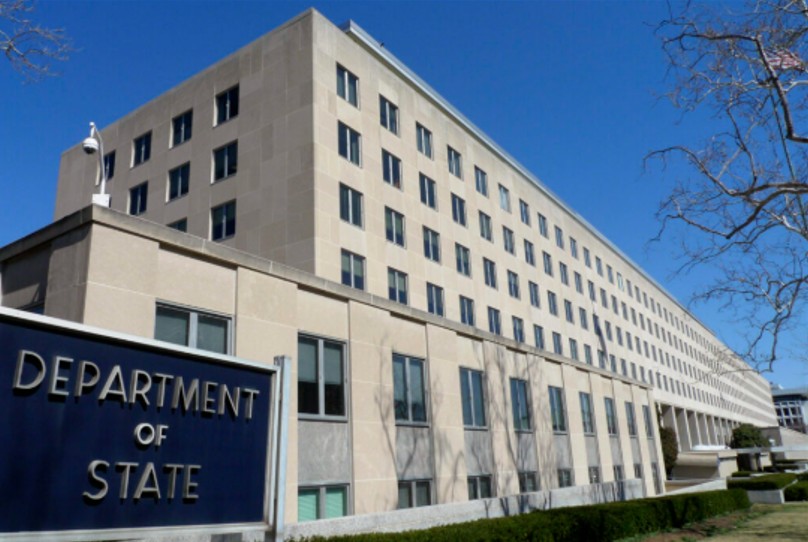
The U.S. State Department renewed its travel advisory for Americans worldwide, emphasizing the volatile situation in the Middle East.
In a social media post, officials stated: “Due to heightened tensions in the Middle East, the security environment remains complex with the potential for unforeseen escalation.”
The advisory urges Americans currently in the region to “exercise caution and heightened vigilance” and “prepare for possible flight cancellations, periodic airspace closures, and other travel disruptions.”
“Citizens everywhere are encouraged to monitor embassy and consular security alerts, local authorities, and news outlets for breaking developments.”
Worldwide Caution: Due to heightened tensions in the Middle East, the security environment remains complex with the potential for unforeseen escalation.
Americans currently in the Middle East should exercise caution and heightened vigilance and should be prepared for possible… pic.twitter.com/jaXOwKyuWW
— TravelGov (@TravelGov) July 21, 2026
For those outside the Middle East, the department cautioned: “Americans outside the Middle East should reconsider travel to and through the region.” The statement also highlighted broader risks, noting, “US diplomatic facilities, including outside the Middle East, have been targeted. Iran and groups supportive of Iran may target other US interests overseas or at locations associated with the United States and Americans throughout the world.”
This Monday update follows a similar alert issued on Saturday, which also cited “heightened tensions in the Middle East.”
The U.S. embassy in Jerusalem also issued an alert, noting that due to high tensions in the Middle East, the security environment remains complex with the potential for unforeseen escalation.
“We remind Americans in the region of the continued need for caution and encourage them to monitor the news for breaking developments. Americans traveling in or through the region should also check with their air carriers to make sure their flights are still scheduled.
“Americans should consider these factors when planning travel to Israel and the West Bank, and should not travel to Gaza, Northern Israel, and the Egyptian border except for the Taba crossing, and reconsider travel to/through the Middle East.”
CENTCOM Completes Tenth Night of Strikes
The renewed warning comes amid fresh military action. U.S. Central Command (CENTCOM) announced it had completed another round of strikes against Iran — the tenth consecutive night of operations targeting the Islamic Republic.
“U.S. forces struck Iranian military command centers, maritime capabilities, missile and drone launch sites, and air defense systems to degrade Iran’s ability to continue attacking commercial vessels flowing through the Strait of Hormuz,” CENTCOM said in its statement.
Despite the strikes, the command emphasized that commercial vessel transits through this vital international waterway continue.
U.S. service members aboard amphibious assault ship USS Boxer (LHD 4) support flight operations day and night from the Arabian Sea as CENTCOM enforces the naval blockade against Iran. As of July 20, the U.S. military has redirected 7 commercial vessels and disabled 1 to prevent… pic.twitter.com/a1gtwipPUf
— U.S. Central Command (@CENTCOM) July 20, 2026
Since early May, U.S. forces have helped facilitate the safe passage of approximately 900 commercial vessels and 450 million barrels of crude oil.
“American forces remain postured and prepared to hold Iran accountable for unwarranted aggression toward civilian mariners seeking to freely and openly transit the strait,” the statement concluded.
Trump Issues Stern Warning to Iran
Earlier on Monday, President Donald Trump delivered a direct message to Tehran. He warned Iran against killing additional U.S. servicemembers, signaling a firm U.S. resolve amid the ongoing conflict.
These developments — combining diplomatic alerts with sustained military pressure — underscore the complex security challenges facing U.S. citizens and interests globally. The Strait of Hormuz remains a critical chokepoint for global energy flows, and disruptions there carry wide-reaching economic implications.
Travelers and those with ties to the region should treat the State Department’s guidance as essential reading. Enrolling in the Smart Traveler Enrollment Program (STEP) and maintaining regular contact with U.S. embassies can provide timely updates in a fast-changing environment.
As this situation evolves, Americans are being advised to stay informed through verified government channels.

Kiran Asim is a writer who covers the U.S., Europe, South Asia, and the Middle East. Her reports and analyses look at the geostrategic issues and contemporary developments and their economic and political implications. She also writes about society and education.