

Type 2 diabetes, a lifestyle-influenced medical condition, has become one of the most significant health challenges facing South Asian communities worldwide. In the United States, individuals of Indian, Pakistani, Bangladeshi, Sri Lankan, and Nepali origin are among the populations at highest risk for developing the disease, often at younger ages and lower body weights than other ethnic groups.
Health experts warn that without early detection and proper management, Type 2 diabetes can lead to serious complications affecting the heart, kidneys, eyes, nerves, and blood vessels. The good news is that many of these complications can be prevented through regular screening, healthy lifestyle choices, and timely medical treatment.
Type 2 occurs when the body stops responding well to insulin and the pancreas can no longer keep up with the demand. The main contributors include poor diet, lack of exercise, excess weight, and family history. In contrast, Type 1 diabetes fails to produce any insulin at all because the immune system mistakenly attacks the pancreas. This form has nothing to do with lifestyle and is believed to be caused by genetics and unknown triggers.

Why Are South Asians at Higher Risk?
Researchers have found that South Asians tend to develop insulin resistance more readily than many other ethnic groups. Insulin resistance occurs when the body’s cells do not respond effectively to insulin, causing blood sugar levels to rise.
Several factors contribute to this increased risk, including family history of diabetes, higher levels of abdominal or visceral fat, sedentary lifestyles, diets high in refined carbohydrates and processed foods, and genetic susceptibility.
Studies have shown that South Asians may develop Type 2 diabetes up to 10 years earlier than some other populations. Many individuals are diagnosed in their 30s or 40s during their most productive working years.
Symptoms Often Go Unnoticed
One of the greatest challenges with Type 2 diabetes is that symptoms may develop gradually and remain unnoticed for years.
Common symptoms include, increased thirst, frequent urination, fatigue, blurred vision, slow-healing wounds, unexplained weight loss, recurrent infections.
Because symptoms can be mild, many people are diagnosed only after routine blood testing or after complications have already begun to develop.
A Metabolic Syndrome, Not Just One Simple Disease
Dr. Ahtisham Shakoor, a diagnostic and interventional cardiologist, notes that among America’s ethnic groups, South Asians are four times more at risk of heart disease, and one of the key factors behind this is diabetes.
Several reasons account for the high-risk diabetic condition among people of South Asian origin. They often dismiss symptoms, fearing that discovery would carry a stigma. As a result, many remain in denial, and it may take up to 10 years for them to realize the gravity of the situation.
“Then there is visceral obesity, which results from a lack of exercise,” says Dr. Shakoor, founder of Phoenix-based Chandler Cardiology Associates.

According to Dr. Shakoor, diabetes is a metabolic syndrome, meaning it is part of a cluster of related health problems that tend to show up together from the same root cause. High blood pressure, abnormal cholesterol levels, and excess belly fat are all part of this syndrome.
“So, South Asians have to be ultra-careful—avoid processed food, choose a healthy diet with more proteins (not just meat), ensure dental health, and exercise regularly,” he advises.
The Importance of Annual Screening
Medical experts recommend that adults, particularly those with risk factors, undergo regular diabetes screening. For individuals already diagnosed with Type 2 diabetes, annual screening is essential to detect complications early.
Recommended annual evaluations include eye examination, a comprehensive dilated eye exam can identify diabetic retinopathy, a leading cause of vision loss among adults.
In kidney function testing annual screening should include urine albumin-to-creatinine ratio, blood creatinine and estimated glomerular filtration rate, These tests can detect kidney damage before symptoms appear.
Diabetes can damage nerves and reduce circulation in the feet, increasing the risk of ulcers and infections. Regular foot examinations help prevent serious complications.
Blood Pressure & Cholesterol Monitoring
High blood pressure often accompanies diabetes and significantly increases the risk of heart disease, stroke, and kidney failure.
An annual lipid profile should assess LDL (“bad”) cholesterol, HDL (“good”) cholesterol, triglycerides
Managing cholesterol levels is particularly important because cardiovascular disease remains the leading cause of death among people with diabetes.
HbA1c Testing, although often performed every three to six months, HbA1c testing remains one of the most important tools for monitoring long-term blood sugar control.

Ensuring Heart Health: A Major Concern
Cardiovascular disease poses a significant threat to South Asians with Type 2 diabetes. Research has shown that heart attacks and strokes often occur at younger ages in South Asian populations.
Doctors encourage patients to maintain healthy blood sugar levels, blood pressure control, healthy cholesterol levels, regular physical activity, tobacco-free lifestyles.
Even modest improvements in these areas can significantly reduce long-term health risks.
Prevention Is Possible
Unlike Type 1 diabetes, Type 2 diabetes can often be prevented or delayed. Key preventive measures include maintaining a healthy weight, exercising at least 150 minutes per week, eating a diet rich in vegetables, fruits, whole grains, and lean proteins, limiting sugary beverages and processed foods, undergoing regular health screenings, managing stress and obtaining adequate sleep.
A Community Health Priority
As rates of Type 2 diabetes continue to rise among South Asians, healthcare professionals emphasize the importance of education, prevention, and early intervention.
Community awareness programs, routine screening, and culturally sensitive healthcare can help reduce the burden of diabetes and its complications.
The message for South Asian families is straightforward: know your risk, get screened regularly, and take action early. When detected and managed appropriately, Type 2 diabetes can be controlled, allowing individuals to lead long, healthy, and productive lives.
Precautionary Practices
“Many South Asian patients in Northern Virginia are surprised when they are diagnosed with Type 2 diabetes because they do not fit the traditional image of someone at risk, that is a primary thing,” says Virginia-based Dr. Shaista Hamid Ashahi.
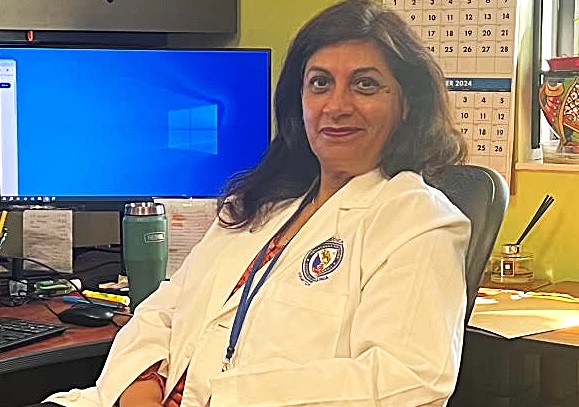
“We see diabetes developing earlier, often in people who are not overweight, which is why screening cannot wait for symptoms, and try to control stress, that is very important,” she addd.
The physician adds that prevention is most effective when it is culturally tailored. “You don’t need to change your entire diet.
Small adjustments like portion control, reducing refined carbohydrates, and increasing daily movement—can significantly reduce risk. The goal is long-term health, not restriction.”
🧠 Diabetes Myth vs. Fact
❌ Myth: Only overweight people get Type 2 diabetes
✔ Fact: Many South Asians develop diabetes at lower body weight due to higher insulin resistance and abdominal fat distribution.
❌ Myth: Diabetes always causes obvious symptoms
✔ Fact: Type 2 diabetes can develop silently for years without noticeable symptoms.
❌ Myth: Eating too much sugar alone causes diabetes
✔ Fact: Diabetes is caused by a combination of genetics, lifestyle, and insulin resistance—not sugar alone.
❌ Myth: Rice and Roti must be completely avoided
✔ Fact: Portion control and whole-grain choices are more important than complete avoidance of traditional foods.
❌ Myth: Once you start medication, lifestyle no longer matters
✔ Fact: Diet, exercise, and weight management remain essential even when medication is prescribed.
❌ Myth: Diabetes is not serious if blood sugar is only slightly high
✔ Fact: Even mildly elevated blood sugar over time increases risk of heart disease, kidney damage, and vision loss.
Free Diabetes Support Group
Inova Fair Oaks Hospital hosts a monthly diabetes support group for people with diabetes and their families. According to the program listing, there is no fee to attend. The group focuses on emotional support, diabetes management, and education.
Free Diabetes Self-Management Program
Fairfax County Diabetes Self-Management Program offers a free six-week workshop for adults with diabetes or prediabetes and their caregivers. Topics include blood sugar management, nutrition, physical activity, and foot care.
Free Education and Support Through Inova
Inova Endocrinology – Woodbridge and Inova Diabetes Services provide diabetes education programs and support groups across Northern Virginia. Some education classes may require insurance or registration, but support groups are often offered at no cost. It is worth calling to confirm current offerings.
Online free support is available. The American Diabetes Association also offers free online resources, educational programs, and virtual community support opportunities for people with Type 1, Type 2, and pre-diabetes.

Dr. Sahrish Mahmood is a doctor, nonprofit professional, and writer with extensive experience in the nonprofit sector. She has received multiple honors and awards for her nonprofit work and is passionate about writing on health, music, culture, and fashion. Through her work, Dr. Mahmood combines professional insight with thoughtful storytelling on topics that inform and inspire.












This is a great read for anyone looking to better understand diabetes. And I appreciate you for using the simple words rather than complex medical terms. Thank you for sharing such valuable insights.