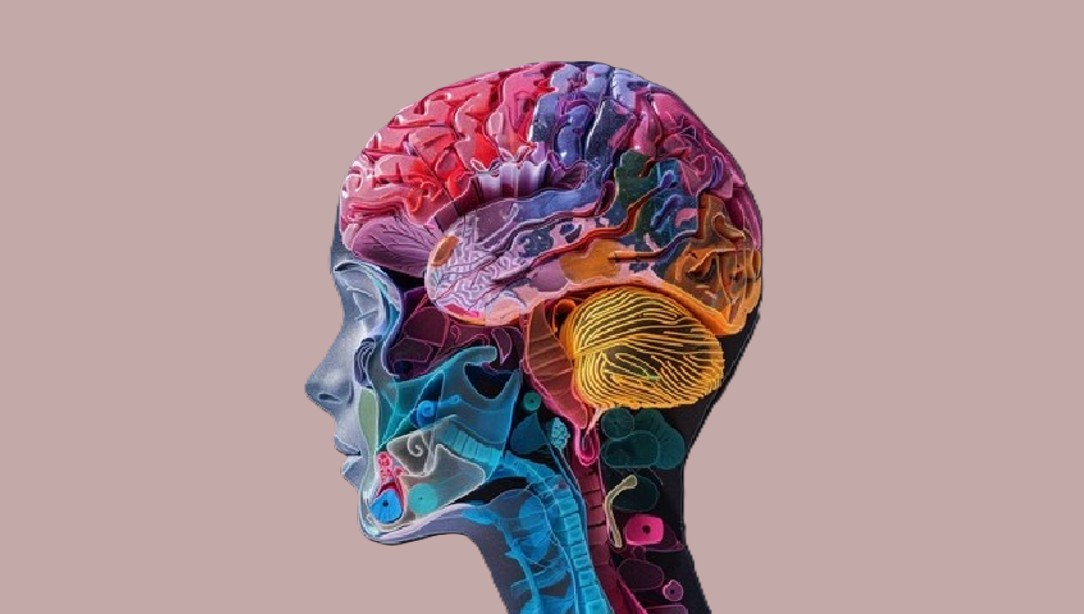
Eating healthy food and exercising regularly are among the simple everyday lifestyle habits that can drastically reduce the chances of cognitive decline and dementia — a condition that new guidance says is largely preventable.
The World Health Organization (WHO) has issued updated global guidelines offering new hope in the fight against dementia, saying that up to 45 per cent of cases — nearly half — may be preventable or delayed by addressing risk factors that people can actually change.
A growing global crisis
More than 57 million people worldwide are living with dementia today, with nearly 10 million new cases diagnosed each year. Alzheimer’s disease accounts for an estimated 60 to 70 per cent of all cases.
Dementia is a debilitating and irreversible brain condition that slowly robs people of their memory, independence and dignity. There is no cure. But here’s the hopeful news: growing scientific evidence shows that many risk factors can be reduced through healthier lifestyles, better management of chronic diseases and lower exposure to environmental hazards.
What you can do
The new guidance, which updates WHO’s 2019 recommendations, translates the latest scientific evidence into practical steps that anyone can take. The agency recommends:
Regular physical activity — even moderate exercise like brisk walking
Stopping tobacco use — at any age, it makes a difference
Reducing alcohol consumption
Eating a healthy diet — rich in fruits, vegetables and whole grains
The WHO also highlights the importance of keeping your mind active through cognitive training, staying socially engaged, and managing health conditions such as high blood pressure, diabetes and high cholesterol.
New additions to the list
For the first time, WHO recommends reducing exposure to air pollution as part of dementia prevention. The agency also says using hearing aids may help lower dementia risk in some people.
However, WHO advises against taking vitamin B or E supplements, omega-3 fatty acids or multivitamins solely to prevent dementia unless a deficiency has been diagnosed. The agency says there isn’t enough evidence that these supplements provide benefits that outweigh potential harms.
Cognitive Sharpness Is Timeless, Aging Is Just Numbers, New Study Confirms
Why this matters for everyone
Beyond memory loss, dementia can destroy a person’s independence, dignity and safety while placing heavy emotional and financial burdens on families and caregivers.
The economic toll is staggering: WHO estimates dementia costs the global economy around $1.3 trillion each year — with roughly half of that burden coming from unpaid care provided by family members and friends.
What leaders are saying
“We know more today than ever before about what drives dementia risk, and these guidelines translate that knowledge into action,” said WHO Director-General Tedros Adhanom Ghebreyesus.
“Countries now have clear, evidence-based recommendations they can put into practice immediately to protect people’s cognitive health.”
Scientists Report Experimental Nasal Spray May Help Reverse Brain Aging
The bottom line
The WHO says integrating dementia prevention into regular health services — alongside care for noncommunicable diseases, mental health and brain health — could help reduce the global burden of the condition and enable more people to live longer, healthier and more independent lives.
The message is simple: small, everyday changes can add up to a big difference. It’s never too early — or too late — to start protecting your brain.

Huma Nisar is Associate Editor at Views News Now. She also writes opinion articles on health, society and diet.