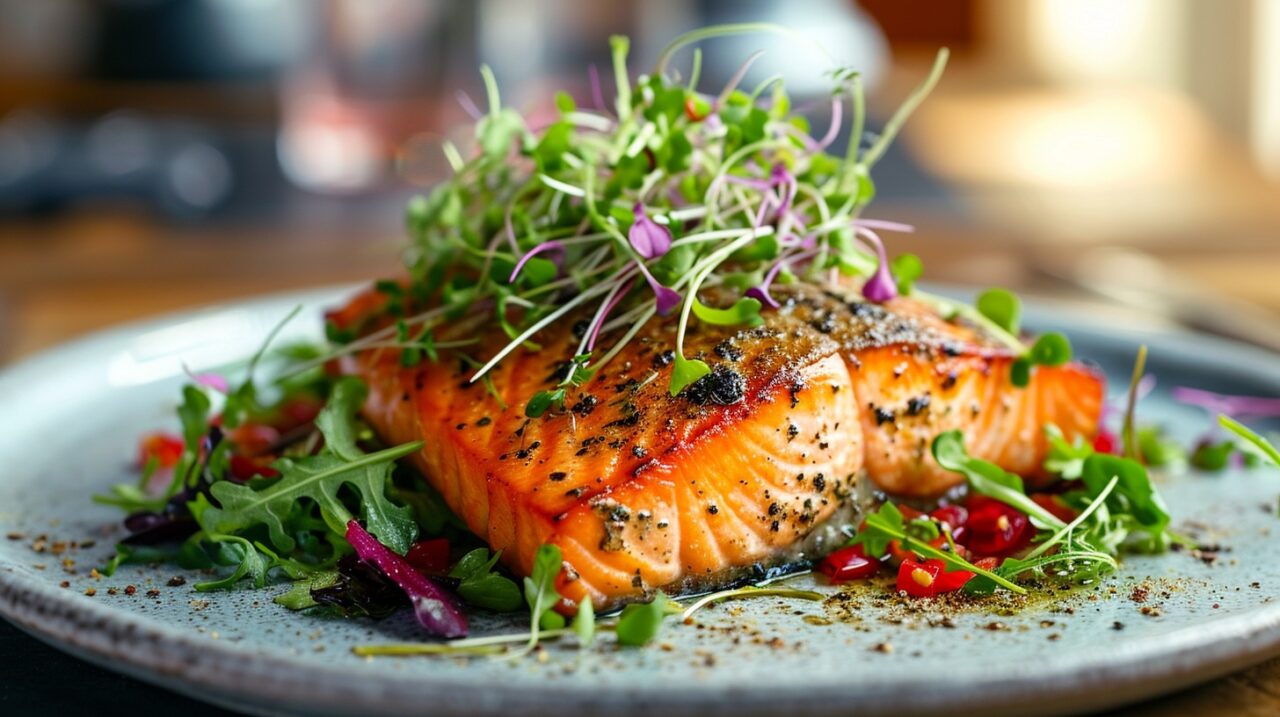
The salmon served on dinner plates may not come from the open sea at all, but from fish farms—part of a much broader and often hidden problem in the global seafood trade known as fish fraud.
Fish fraud refers to deliberate practices intended to deceive consumers, including mislabeling species or origins, substituting one fish for another, and manipulating products to increase weight or value.
Such practices can undermine consumer trust, threaten marine biodiversity, and pose risks to human health.
Fish fraud is widespread across markets, grocery stores, and restaurants worldwide, says a new United Nations report, focusing on the quality and origin of the seafood they enjoy.
However, a growing number of scientific and regulatory tools are beginning to turn the tide, according to a new report published Tuesday by the UN Food and Agriculture Organization (FAO).
While there is no official estimate of the scale of fraud in the $195 billion global fisheries and aquaculture sector, empirical studies suggest that around 20 percent of seafood trade may be affected in some way, the Rome-based agency said.
In restaurants, mislabeling appears even more common, with some studies indicating that up to 30 percent of seafood products are incorrectly identified.
The report cites examples from around the world—from ceviche stands in Latin America and seafood eateries in China to canned tuna products sold in the European Union. In the United States, as much as one-third of aquatic products may not match their package descriptions.
Economic incentives are the primary driver of fish fraud. Selling Atlantic salmon—nearly all of which is farmed—as Pacific salmon, which is largely wild-caught, can generate nearly $10 more per kilogram, according to the report.
In other cases, fraud is used to obscure a product’s geographic origin or to conceal above-quota catches, posing risks to the sustainability of fish stocks.
The report, Food Fraud in the Fisheries and Aquaculture Sector, was produced by FAO’s Fisheries and Aquaculture Division in cooperation with the Joint FAO/IAEA Centre of Nuclear Techniques in Food and Agriculture.
Fish fraud takes many forms, including adding water to boost weight, adulterating products with coloring to make fish appear fresher, selling imitation shrimp made from starch compounds, packaging surimi as crab meat, misbranding sustainability claims, overfishing-related fraud, species substitution—such as selling tilapia as red snapper—and tampering with origin or expiry labels.
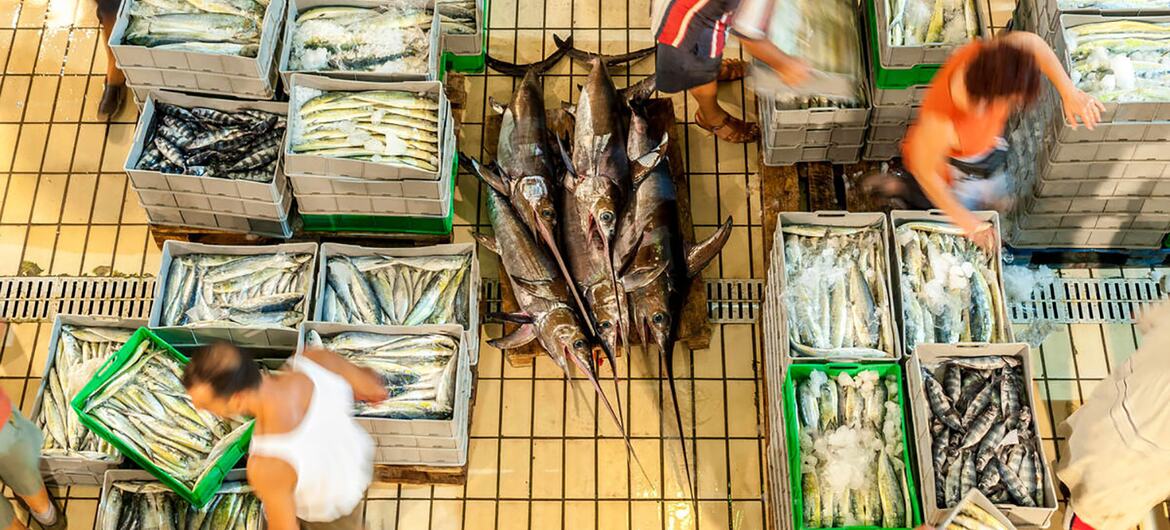
Beyond economic deception, the report highlights risks to human health. Some fish species are unsafe when eaten raw, while practices such as refreezing seafood can increase the risk of bacterial contamination.
Estimating the true scale of the problem remains difficult. Global seafood consumption spans more than 12,000 species, fraud techniques vary widely, and regulatory definitions differ across countries. Still, the report points to emerging technologies that could strengthen enforcement.
Advanced laboratory testing can detect many forms of fraud, though access remains limited. Meanwhile, portable X-ray fluorescence devices and machine-learning models are emerging as promising tools to improve inspections and reduce mislabeling.
To curb fraud, the FAO recommends harmonized labelling requirements, mandatory inclusion of scientific names where possible, and stronger traceability systems across supply chains. Scientific advances may also help distinguish between wild and farmed fish based on fatty-acid composition or determine geographic origin using carbon and nitrogen ratios.
Prevention and enforcement remain critical, the report said, citing successful efforts in countries including Argentina, Italy, and the United States.
In Los Angeles, a DNA barcoding investigation found relatively low mislabeling at processing plants, moderate levels among grocers, and particularly high rates in sushi restaurants.
A coordinated local initiative involving academia, industry, and government — prepared with public education and blind testing—cut mislabeling by two-thirds over a decade.

Huma Nisar is Associate Editor at Views News Now. She also writes opinion articles on health, society and diet.