
Global financial markets tumbled Monday while U.S. oil prices surged sharply to around $73 per barrel after American and Israeli strikes on Iran and Tehran’s retaliatory attacks heightened fears of prolonged disruption to global energy supplies.
U.S. futures for the S&P 500 and Dow Jones Industrial Average fell about 1.7%, pointing to a weaker open on Wall Street. European markets also ebbed, with Germany’s DAX dropping more than 2%, while France’s CAC 40 and Britain’s FTSE 100 also posted notable declines.
Asian markets were broadly lower. Japan’s Nikkei 225 closed down around 1.4%, and Hong Kong’s Hang Seng shed more than 2%. In contrast, mainland Chinese shares edged higher, supported by gains in major energy firms including CNOOC, China Petroleum & Chemical Corporation and PetroChina, as investors bet higher crude prices would boost revenues.
Crude Prices Spike Amid Strait of Hormuz Fears
Oil markets recorded their sharpest jump in months. U.S. benchmark West Texas Intermediate rose roughly 9% to trade near $73 per barrel, while Brent crude, the international standard, climbed close to 10%, hovering around $80 per barrel — a seven-month high.
The rally reflects mounting concern that the conflict could curb exports from Iran and potentially disrupt shipments from other Gulf producers if hostilities intensify.
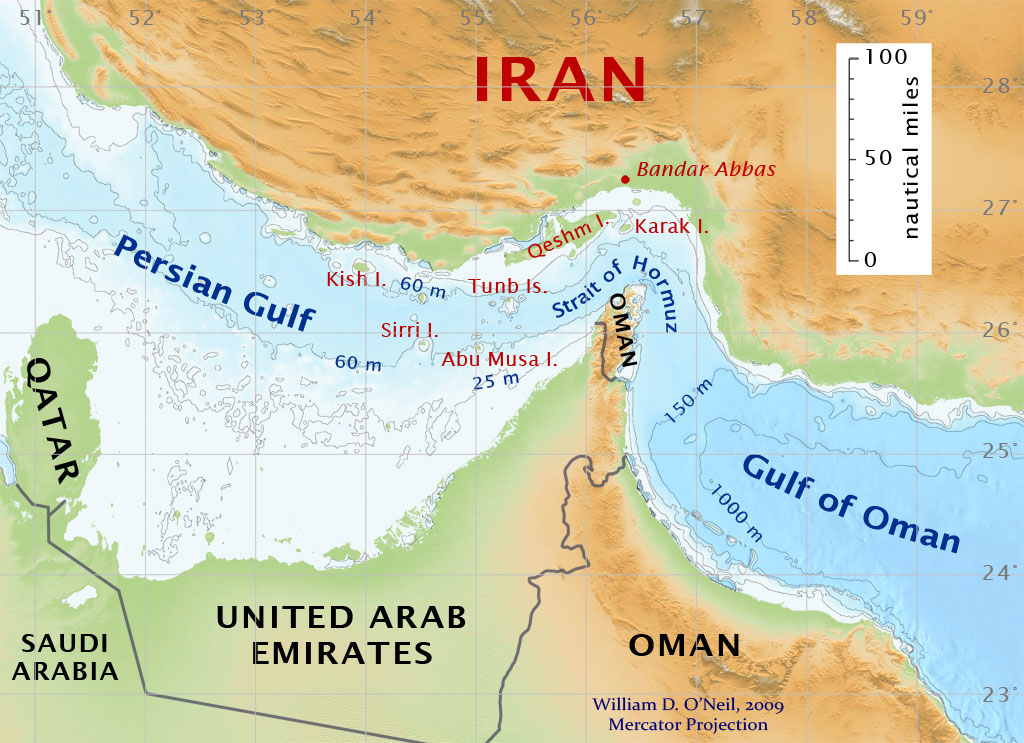
At the center of market anxiety is the Strait of Hormuz, the narrow passage linking the Persian Gulf to global markets and accounting for roughly one-fifth of the world’s seaborne oil trade.
The national average for gas currently sits near $3 per gallon. Experts say that could rise to between $3.10 and $3.20 in the coming weeks if oil prices remain elevated.https://t.co/4zhJkl2Ge8
— ABC 13 News – WSET (@ABC13News) March 2, 2026
While the waterway has not been formally closed, attacks on vessels and heightened security risks have slowed maritime traffic, raising fears of tighter global supply.
Energy analysts warn that any sustained disruption in the strait would significantly constrain exports from key producers including Saudi Arabia, Iraq, Kuwait, Qatar and the United Arab Emirates, amplifying volatility in global crude markets.
According to ship-tracking platform MarineTraffic, vessel movements through the vital chokepoint have declined by roughly 70% since Saturday, when the United States and Israel launched large-scale strikes on Iran. The platform reported unusual navigation patterns over the past three days, including vessels making U-turns, idling offshore, reducing speed, and diverting at short notice.
Impact on India and Emerging Economies
In India, equities fell more than 2% as rising crude prices raised concerns over inflation and fiscal pressures. India imports more than four-fifths of its crude oil needs, making it particularly vulnerable to price spikes. A prolonged surge in oil could widen the country’s trade deficit, weaken the rupee and push up fuel and food costs.
Other import-dependent Asian economies also faced pressure, while safe-haven assets gained. Gold rose more than 3%, and the U.S. dollar strengthened against major currencies.
OPEC+ Output Increase Offers Limited Relief
Members of the Organization of the Petroleum Exporting Countries and allied producers (OPEC+) have announced plans to increase output by about 206,000 barrels per day in April.
Saudi Arabia, Russia, Iraq, UAE, Kuwait, Kazakhstan, Algeria, and Oman adjust production and reaffirm commitment to market stability
Read Press Release ➡️https://t.co/MEO3HaBieL
— OPEC (@OPECSecretariat) March 1, 2026
Although the decision was scheduled prior to the escalation, analysts say additional supply may help cushion markets if disruptions remain limited.
Still, traders remain focused on geopolitical developments. With military exchanges continuing and no clear signs of de-escalation, energy markets are expected to remain volatile, and further disruptions to Gulf shipping lanes could trigger additional price spikes in the days ahead.

Muhammad Luqman is Associate Editor at Views News Now. He writes on wide-ranging issues including economy, South Asia, the Middle East, agriculture, economy and innovation. Luqman has worked some of the leading news organizations and won acclaim for his original and research-based works.








