
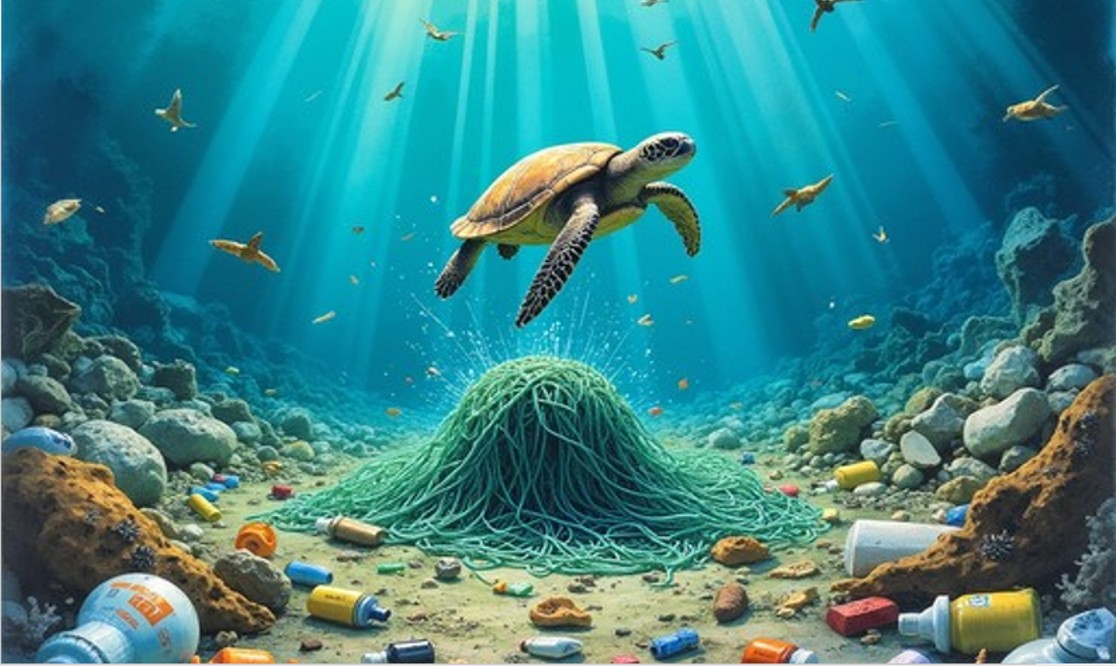
Plastic products — shopping bags to water bottles — things we consider convenience of modern life are a matter of deadly inconvenience for marine life because every year, an estimated 52.1 million metric tons of plastic waste leaks into the sea.
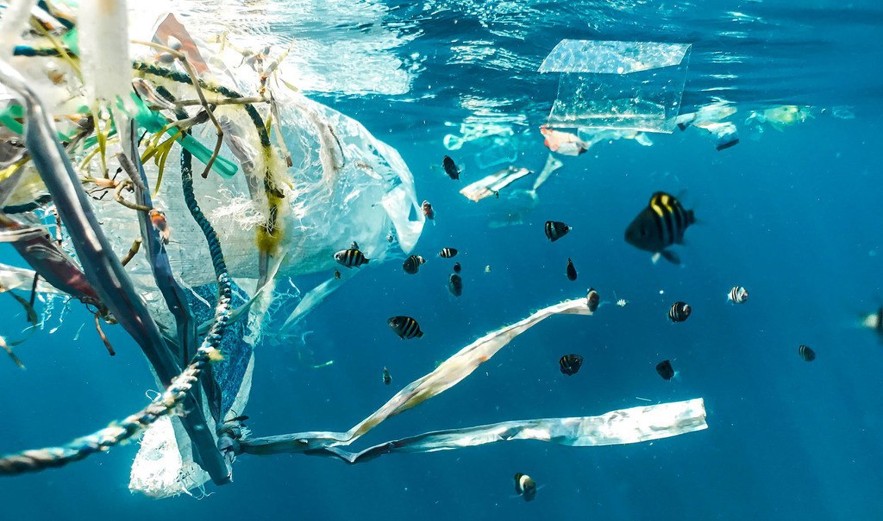
The culprits? Mismanaged trash, casual littering, microplastics from synthetic textiles, and marine industries. Once in the water, larger pieces strangle wildlife and ravage fragile ecosystems like coral reefs.
As they break down into toxic microplastics, they poison the food chain. Even when plastic disintegrates completely, its chemical bonds—and the damage—remain, the United Nations reported this week.
According to the World Ocean Assessment—the only global analysis spanning environmental, economic, and social impacts—more than 4,000 marine species are now known to be affected.
Dr. Ian Butler, editor of the 1,600‑page report (shaped by over 650 experts), puts it bluntly:
“It’s their feeding, their metabolism, their immune function, their growth and reproduction. It weakens and kills them, and changes entire populations.”
With World Ocean Day approaching on June 8, here are five stark truths about ocean plastic:
The crisis is still getting worse
Annual plastic emissions: 52.1 million metric tonnes. In the Global North, littering is the main culprit; in the Global South, uncollected waste. But as Dr. Butler warns, “What our eyes see is the tip of the iceberg.” Floating and beach plastics account for just 3–4% of the total—most is dispersed, submerged, or fragmented, making recovery nearly impossible.
The tiniest plastics are the biggest mystery
An estimated 24.4 trillion microplastic pieces (smaller than 5mm) float in the world’s upper oceans. They trigger inflammation, stunt growth, and disrupt energy balance. Even more concerning are nanoplastics—so small they can cross cell membranes.
Their long-term biological effects remain largely unknown, and they magnify up the food chain, from plankton to apex predators.
Single-use
They account for roughly 40% of global litter. Fishing gear adds another 15%. Better recycling helps, but it’s not the cure. As Dr. Butler notes, “Changing the recipe of the plastic helps, but changing our dependence on throwaway plastic matters more for the ocean.”
World treaty on addressing plastic pollution remains elusive
Much more than just an environmental issue
Tourism, shipping, and fisheries lose billions each year to cleanup costs and lost revenue. Small‑scale fisheries are especially vulnerable. Already, 386 marine fish species have been found with plastic in their guts—raising red flags for human health and food security.
A global plastics treaty remains elusive
Beach cleanups and recycling alone won’t solve it. The UN Environment Program (UNEP) has spent six years trying to broker a legally binding agreement among 193 nations—so far without success.
The sticking point? Some countries fear that restrictions would unfairly hurt their plastic‑dependent economies. But as Dr. Butler warns, without a treaty, the ocean—and the 4,000+ species who call it home—will keep paying the price.

Huma Nisar is Associate Editor at Views News Now. She also writes opinion articles on health, society and diet.









