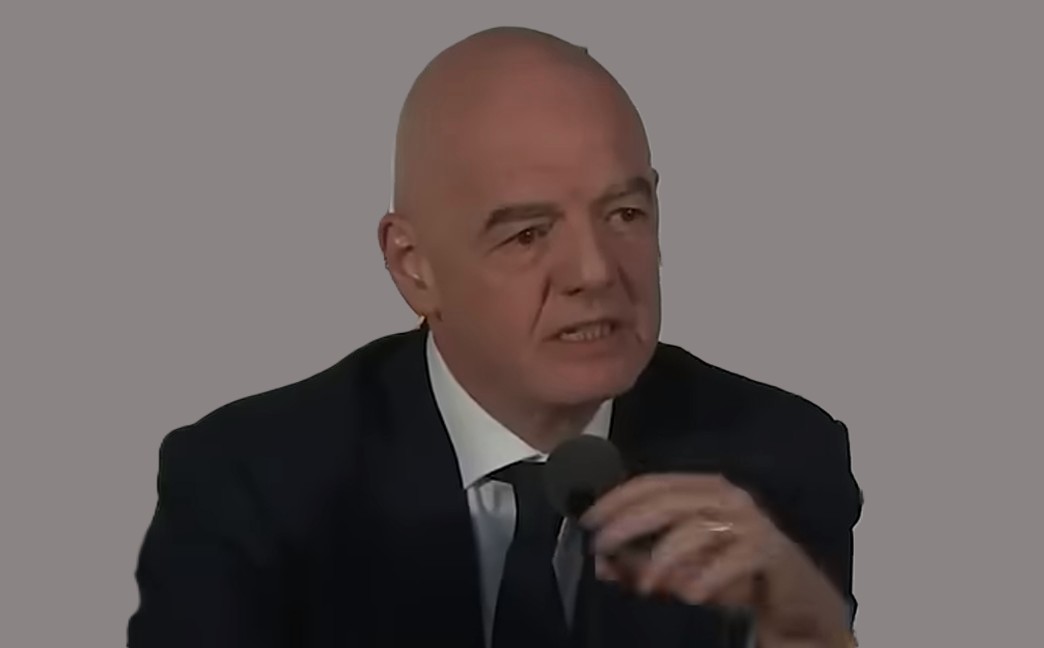
FIFA is under fire following a spate of disquieting officiating decisions that contributed to Egypt’s heartbreaking Round of 16 defeat to Argentina in the 2026 FIFA World Cup, which has turned out to be one of the most
The Egyptian Football Association has formally complained to the world governing body, highlighting what it sees as unfair treatment and improper use of technology in a match that ended with a late Argentine comeback.
A Thrilling But Contentious Encounter
In a high-stakes clash in Atlanta, Egypt took a commanding 2-0 lead with goals from Mohamed Salah and Mostafa Ziko. Argentina, the defending champions, mounted a dramatic recovery, eventually winning 3-2 thanks to a stoppage-time winner from Enzo Fernández.
The game was marred by several disputed calls that left Egyptian players, coaches, and fans feeling robbed.
French referee helps Argentina win through unfair rulings in its match against Egypt.
Argentine referee will help France win against Morocco.
FIFA is so corrupt, they are canceling red cards when Trump ask them to, and disallowing goals just so they can get their France vs… https://t.co/R4XtuMo7Ve pic.twitter.com/h65BxaveDn
— Zhao DaShuai 东北进修🇨🇳 Commentary (@zhao_dashuai) July 8, 2026
Egypt’s Official Protest to FIFA
The Egyptian FA wasted no time in voicing its discontent. In a statement, the association declared it “cannot remain silent regarding the refereeing decisions witnessed during the match against Argentina as well as the failure to make appropriate use of the Video Assistant Referee (VAR) system.” Egypt has formally lodged a complaint with FIFA and called for accountability, including potential sanctions against the officials involved.
Coach Hossam Hassan was particularly vocal, labeling the officiating as “unfair” and suggesting the tournament was being “directed towards” the reigning champions Argentina. His strong comments have drawn mixed reactions, with some critics resurfacing past instances where he blamed referees after defeats, dubbing him a “sore loser.” Yet, many in Egypt and beyond argue the grievances in this match were legitimate.
Key Disputed Decisions and VAR Controversy
Among the flashpoints was a disallowed Egyptian goal due to an alleged foul in the build-up, specifically involving Marwan Attia stepping on Lisandro Martínez’s foot. Another involved a challenge between Mohamed Salah and Julián Álvarez, which officials deemed normal contact.
Egyptian players and officials questioned the consistency of VAR (Video Assistant Referee) interventions and the overall balance of calls.
Social media platforms exploded with criticism of FIFA practices, with several sport lovers pointing out glaring inconsistencies in decisions taken in the game, particularly what they termed as “harsh” and “incomprehensible” verdicts that went against Egypt and apparently favored Argentina.
Poor Egypt. Robbed, many would argue. https://t.co/5MPxPft0lj
— Mehdi Hasan (@mehdirhasan) July 7, 2026
Video clips showing denied goal to Egypt and foul plays by Argentine players evoked strong disapproval by sport followers around the world.
On the other side, Argentina fans also shared a series of pictures and clips showing the Egyptian players entangled Argentine team through unfair tactics.
FIFA’s Head of Referees, Pierluigi Collina, has defended the decisions, emphasizing the independence of match officials and dismissing notions of external influence, including from FIFA President Gianni Infantino.
Nevertheless, the complaints have fueled online debates, accusations of bias, and even claims of a “fixed” outcome favoring Argentina.
Pela primeira vez na história do Mundial, foi acionado o gesto “X”, protocolo utilizado para denunciar um possível caso de racismo durante uma partida.
O sinal foi feito pelo técnico da seleção do Egito 🇪🇬, mas, mesmo assim, a arbitragem decidiu aplicar cartão amarelo ao… pic.twitter.com/MAfClXkefl
— Luiz Carlos Largo (@LARGOESPN) July 7, 2026
Broader Implications for the Tournament and Fair Play
This episode raises familiar questions about refereeing standards and VAR’s role in high-pressure World Cup matches. For Egypt, a nation with a proud footballing history, the exit stings deeply—especially after leading against one of the world’s elite teams. The formal complaint puts FIFA in the spotlight, testing its mechanisms for addressing grievances from member associations.
As the tournament progresses, such controversies risk overshadowing the on-pitch drama. While Argentina advances, Egypt’s protest ensures the conversation about fairness and transparency will continue. Whether FIFA’s response satisfies the Egyptians or further inflames tensions remains to be seen, but one thing is clear: in the beautiful game, perceptions of justice can matter as much as the final score.

Asim Tanveer is a seasoned journalist working for TV and electronic and print media outlets. He has been working for some of the world’s leading news organizations including Associated Press (AP), Reuters, BBC, CNN, CNBC, Star TV, Voice of America and The New York Times for more than 20 years. He has won several awards for his live coverage of events that include a Reuters News Agency World Award and the Pride of Performance award in 2010.