Nearly 14 years ago, a four-year-old girl fell from the ninth-floor window of her family’s apartment near Ramallah in the West Bank. Palestinian and Israeli ambulances coordinated her transfer to Hadassah Medical Center in Jerusalem, where doctors saved her from life-threatening injuries.
That act of humanity sparked an idea: healthcare cooperation between Palestinians and Israelis. It led to the founding of Rozana in 2013—named after the surviving child, Rozana Salawhi.
Today, the quick thinking of Rozana’s mother, journalist Maysa Abu Ghannam—who connected Palestinian and Israeli ambulances to save her daughter—together with the work of founder and former journalist Ron Finke and like-minded colleagues, has earned the organization international support.
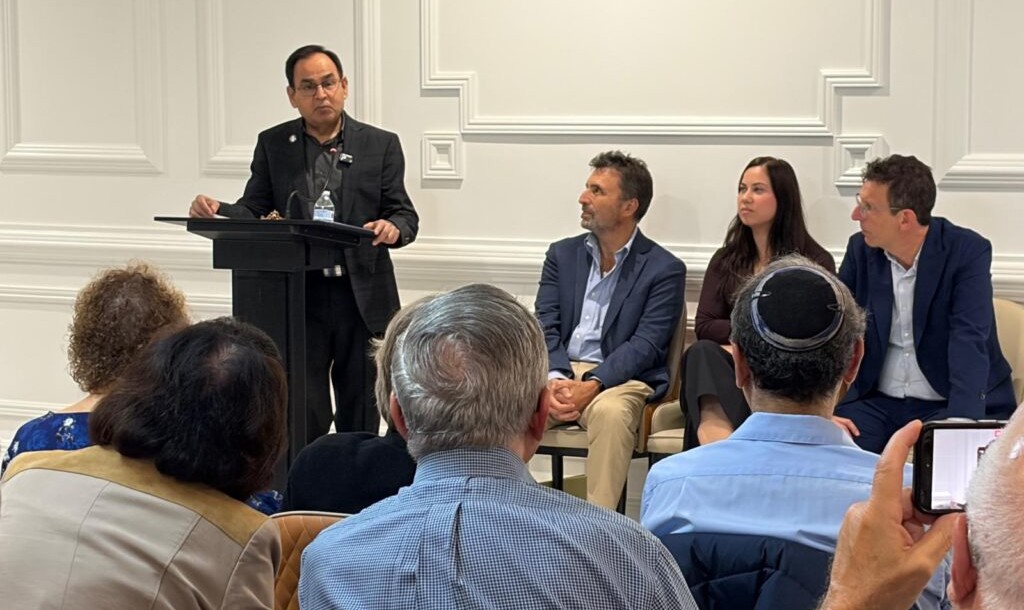
This week, Dr. Maqsood Chaudhry, a Pakistani American dentist who also serves on the organization’s board, hosted an event to highlight Rozana’s latest endeavors, as speakers described its work as a healthcare bridge and a source of hope for understanding and cooperation between Palestinians and Israelis amid the ruins of the devastating Gaza war.
“Rozana health diplomacy brings together Israeli and Palestinian medical teams. We work together because we believe that the language of health can build trust, and provide safe zones for people,” Ron Finke said after making a presentation on the organization’s work.
Rozana operates in the West Bank, Gaza, and Israel, where its teams enable Palestinians to receive treatment in Israel’s advanced medical facilities.
In addition, Rozana provides training opportunities for Palestinian medical staff to improve healthcare services in the West Bank.
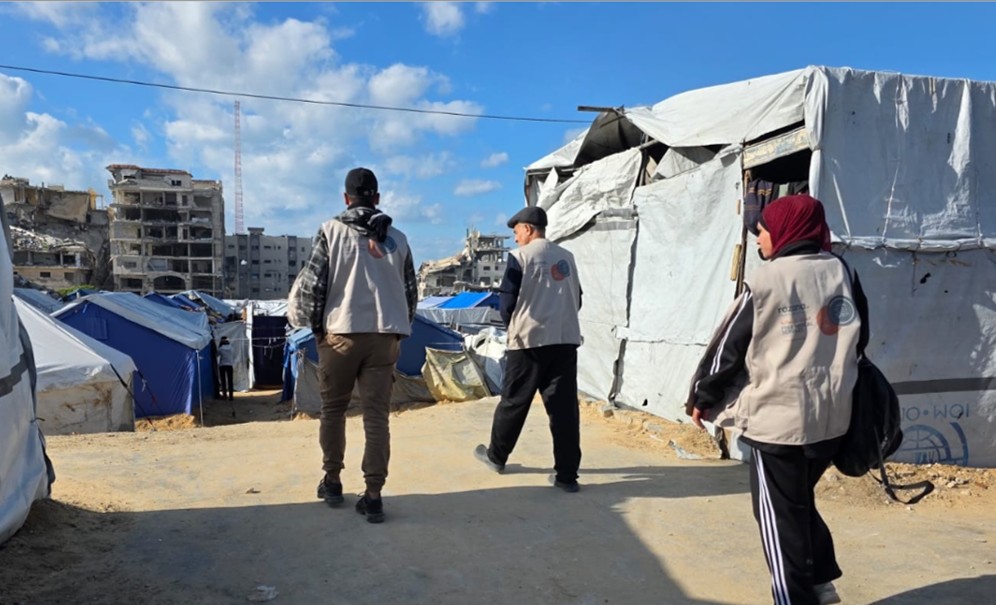
“We have quite a big humanitarian effort in Gaza. We have tent clinics and rehabilitation centers, treating five to six thousand patients a month,” Finke said.
Such cooperation and health diplomacy, the founder says, can greatly help the cause of peace.
“I believe strongly that health diplomacy is not only a bridge for peace but a necessary tool to be able for the communities in the future to know how to work together. I think it’s not enough to have one day a peace agreement on paper. We need to prepare the communities, the people to that day.
“If in the past, the peace agreement did not work, one of the reasons was that we as Israelis, as Palestinians were not ready for that moment.”
Just days before the event in the Washington metropolitan area, the United Nations sounded the alarm over the deteriorating situation in Gaza, where shattered hospitals and loss of staff during the war have exacerbated troubles for the people.
According to the world body, a combination of crises—including shelter, sanitation, food insecurity, and winter rains—posed serious challenges to the health of the people, especially those living in makeshift tents.
Dr. Chaudhry, who recently visited Israel and the Palestinian territories along with other board members, shared his experience, saying Rozana’s medical relief work has grown more important against the backdrop of injuries in Gaza and the loss of medical facilities.
Gaza currently has one of the highest amputation rates per capita in the world, he noted.”
Additionally, WHO data shows that among the approximately 2,300 amputees assessed, fewer than 25% (approximately 500 people) have received permanent prostheses, reflecting the severe lack of rehabilitation services.
“We visited Al Akhel Hospital in Israel. I found out that Palestinian doctors and medical staff were well taken care of. There were some issues after the October 7, 2023, attacks, but building the relationship between the medical communities was critically important.”
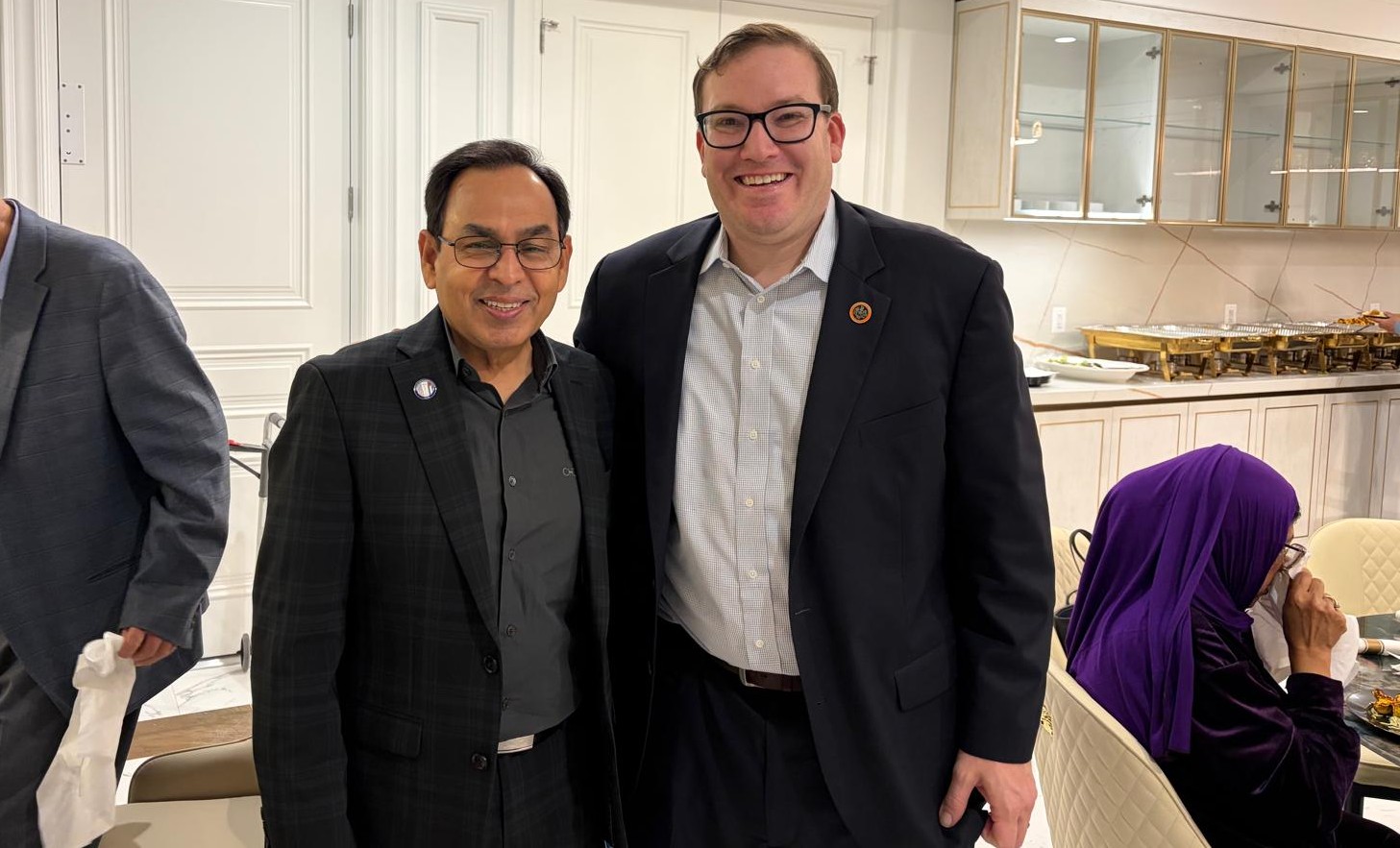
Dr. Chaudhry said it came as a pleasant surprise to him that cooperation between healthcare staff, despite language barriers, fostered human connections beyond differences and politics.
“We visited the Palestinian territories. In Hebron, we saw firsthand the hospital funded by Rozana. The patients were grateful for Rozana’s role. So we came away with a feeling of satisfaction that our funds are being used for the proper purpose.”
Leaders of the Palestinian Authority spoke of the difficulties facing people in the areas amid an Israeli freeze on funds.
“We also traveled to villages in the West Bank, which were destroyed by settlers.”
Citing Rozana’s importance against the backdrop of war and devastation, Dr. Chaudhry said Rozana not only seeks to provide urgent care to patients but also contributes to efforts to build human connections and peaceful relations.
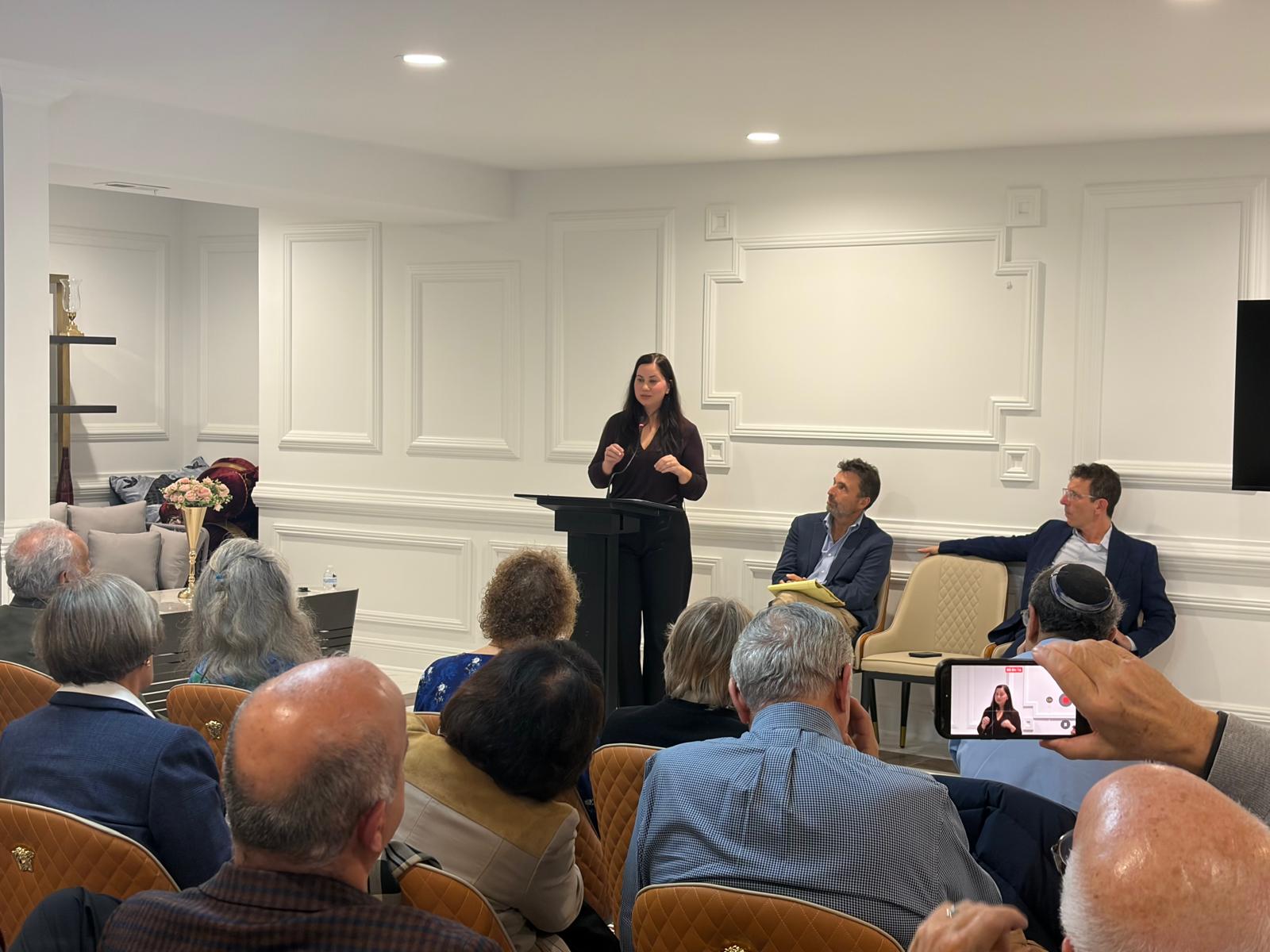
Diana Shehadeh-Nama, Director of Communications of the project, explained how Rozana coordinates patient transfers by ambulance on both sides—Palestinians bringing patients to the border and Israelis driving them to hospitals from there.
She also shared examples of how Rozana has helped mitigate human suffering, especially in the treatment of Palestinian children who needed urgent care.
Rozana, headquartered in Switzerland with affiliates in Australia, Canada, Israel, Palestine, the UK, and the USA, and a regional operations team in the Middle East, works to advance health as a fundamental human right through cross-border cooperation.
Gaza Crisis Worsens as Floods, Hunger and Hospital Attacks Take Their Toll
The Rozana team detailed to the audience the work the organization is performing—considering health a fundamental human right—to cover healthcare gaps in the West Bank and Gaza.
In June of this year, Rozana established a new community-based rehabilitation clinic complementing two existing field clinics, helping patients rebuild physical function and independence amid severe supply restrictions.
After three years of war, over 43,000 people in Gaza are estimated to be living with life-changing injuries, including more than 5,000 amputations.

The Women4Women program delivers free, holistic primary, maternal, and mental health care—including medications, diagnosis, and follow-up—to women in remote and underserved communities of Area C in the West Bank, while promoting women’s autonomy over their health.
Another project, Wheels of Hope, partners with local organizations and volunteer drivers to transport critically ill Palestinian patients, especially children, to advanced medical treatment unavailable in the West Bank and Gaza, and provides fun days and medical clowns for young patients and their families.
Al Rahma Rehabilitation Center is a developing hub in Hebron offering specialized rehabilitation for children with traumatic brain injuries and orthopedic conditions, adults recovering from strokes and neurological conditions, post-surgical orthopedic support, and prosthetic services.
The Women’s Ambulance Drivers Program trains women in Jerusalem—particularly from marginalized communities—for certified emergency healthcare roles such as paramedics, ambulance drivers, and phlebotomists, while addressing gaps in gender-sensitive emergency care.
The Day After Project, funded by the Australian Government, aims to drive sustainable reform across the Palestinian health sector over 18 months by equipping and training staff at Al Rahma Rehabilitation Hospital and hosting five delegations of Palestinian health officials and professionals in Australia for mentoring, networking, and professional development.
The Jewish-Arab Dialogue in Hospitals program supports cooperation among Jewish and Arab medical professionals in Israeli hospitals—rare shared civic spaces—helping them navigate moral distress, communication breakdowns, bias, and psychological strain during periods of heightened tension.
Ali Imran is a Washington-based journalist, who has worked for leading world news organizations as a correspondent, expert and in editorial positions. He is a published author and poet.